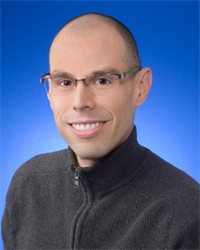
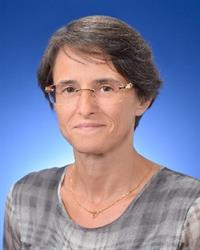
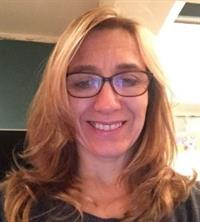
An interesting webinar with three speakers looking at how pharmaceutical statisticians can engage with their commercial and other business teams. Camilo Zapata will introduce the field of “business analytics” in the context of pharmaceuticals, Helena Baptista will talk about how we can measure the effectiveness of our communications and Lucy Frith will speak about communicating efficacy data in a manner appropriate for health care professionals.
Abstracts
Camilo Zapata (Alkermes)
Abstract: Business analytics is the “discipline” in charge of identifying and leveraging meaningful patterns in data to drive or inform business decisions. It is multidisciplinary in nature as it operates at the intersection between mathematics/statistics, computer science and management. In this talk we will discuss how these three areas converge to deliver impactful results and share some relevant examples. We will also talk about what characteristics an organization requires in order to leverage this discipline as in the business world the ability to impact decisions is not only determined by the quality of the analyses, but also the robustness of the processes, the skills of the decision makers and the approachability of the results.
Bio: Camilo is a data scientist that currently leads the advance analytics organization at Alkermes. He focuses on everything that is not clinical, with special emphasis on the commercial side of the business. Before Alkermes he led the compliance analytics efforts at Pfizer and the Text mining and Natural language processing hub at Lilly. He also co-led the creation of the advanced business analytics group at Lilly and he was responsible for building the analytical capabilities of Lilly’s clinical trial supply chain organization.
Camilo is an engineer by training with M.S. degrees in Chemical and industrial engineering and a PhD in Chemical engineering from Purdue University. In spite of these titles is fair to say that as an engineer he wouldn’t survive.
Helena Baptista (Lilly)
Abstract: We have been measuring the efficacy and safety of our medicines for a long time. What are we doing to measure the efficacy of our promotional strategies? Developing great medicines is key, but if we fail to let the scientific community know when and why they should use our products, patients that would benefit the most will hardly get access to them. We need to provide directions to the marketing teams on how, when and how often to reach the interested health care providers. On top, in Europe, we need to do that with limited access to data. We will discuss what we can do and where do we have the biggest challenges.
Bio:
Education: PhD in statistics. NOVA University of Lisbon – Portugal
Teaching undergraduates and Mastery courses on Forecasting Methods and Statistics for Enterprise Data Analysis
Lucy Frith (GSK)
Abstract: Working with a commercial organisation provides a varied array of tasks that often need complex analyses explained in a very concise but transparent way. This can lead to re-use of study data to present the results in a manner that meets the specific needs of different external groups such as health care professional (HCPs). Two such examples will be presented here. Firstly, overlaying the costs of treatments and patient care onto patient outcomes to support discussions with payer groups. Secondly, using Markov Chain modelling to utilise long-term data and provide Health care professionals a presentation of the data that aligns to the probability of a patient changing health status in a given period of time. To give further context to how these presentations of data could be used, such work is reviewed using data collected in a traditional efficacy study and in a pragmatic effectiveness situation.
Bio: Lucy is currently working in the late phase respiratory research and supports a range of marketed products. She has a keen interest in re-using data appropriately to maximise the value of information collected during the development of a medicine. This is to further understand the products, the disease areas of interest and presenting this information in a practical way to external groups such as health care professional (HCPs).
Lucy is a statistician with 26 years’ experience in the industry; where she has been involved in the clinical program design, taking products all the way through to submission and regulatory approval. She has a M.S. degrees in Medical Statistics and a MBA.
An interesting webinar with three speakers looking at how pharmaceutical statisticians can engage with their commercial and other business teams. Camilo Zapata will introduce the field of “business analytics” in the context of pharmaceuticals, Helena Baptista will talk about how we can measure the effectiveness of our communications and Lucy Frith will speak about communicating efficacy data in a manner appropriate for health care professionals.
Abstracts
Camilo Zapata (Alkermes)
Abstract: Business analytics is the “discipline” in charge of identifying and leveraging meaningful patterns in data to drive or inform business decisions. It is multidisciplinary in nature as it operates at the intersection between mathematics/statistics, computer science and management. In this talk we will discuss how these three areas converge to deliver impactful results and share some relevant examples. We will also talk about what characteristics an organization requires in order to leverage this discipline as in the business world the ability to impact decisions is not only determined by the quality of the analyses, but also the robustness of the processes, the skills of the decision makers and the approachability of the results.
Bio: Camilo is a data scientist that currently leads the advance analytics organization at Alkermes. He focuses on everything that is not clinical, with special emphasis on the commercial side of the business. Before Alkermes he led the compliance analytics efforts at Pfizer and the Text mining and Natural language processing hub at Lilly. He also co-led the creation of the advanced business analytics group at Lilly and he was responsible for building the analytical capabilities of Lilly’s clinical trial supply chain organization.
Camilo is an engineer by training with M.S. degrees in Chemical and industrial engineering and a PhD in Chemical engineering from Purdue University. In spite of these titles is fair to say that as an engineer he wouldn’t survive.
Helena Baptista (Lilly)
Abstract: We have been measuring the efficacy and safety of our medicines for a long time. What are we doing to measure the efficacy of our promotional strategies? Developing great medicines is key, but if we fail to let the scientific community know when and why they should use our products, patients that would benefit the most will hardly get access to them. We need to provide directions to the marketing teams on how, when and how often to reach the interested health care providers. On top, in Europe, we need to do that with limited access to data. We will discuss what we can do and where do we have the biggest challenges.
Bio:
Education: PhD in statistics. NOVA University of Lisbon – Portugal
Teaching undergraduates and Mastery courses on Forecasting Methods and Statistics for Enterprise Data Analysis
Lucy Frith (GSK)
Abstract: Working with a commercial organisation provides a varied array of tasks that often need complex analyses explained in a very concise but transparent way. This can lead to re-use of study data to present the results in a manner that meets the specific needs of different external groups such as health care professional (HCPs). Two such examples will be presented here. Firstly, overlaying the costs of treatments and patient care onto patient outcomes to support discussions with payer groups. Secondly, using Markov Chain modelling to utilise long-term data and provide Health care professionals a presentation of the data that aligns to the probability of a patient changing health status in a given period of time. To give further context to how these presentations of data could be used, such work is reviewed using data collected in a traditional efficacy study and in a pragmatic effectiveness situation.
Bio: Lucy is currently working in the late phase respiratory research and supports a range of marketed products. She has a keen interest in re-using data appropriately to maximise the value of information collected during the development of a medicine. This is to further understand the products, the disease areas of interest and presenting this information in a practical way to external groups such as health care professional (HCPs).
Lucy is a statistician with 26 years’ experience in the industry; where she has been involved in the clinical program design, taking products all the way through to submission and regulatory approval. She has a M.S. degrees in Medical Statistics and a MBA.
An interesting webinar with three speakers looking at how pharmaceutical statisticians can engage with their commercial and other business teams. Camilo Zapata will introduce the field of “business analytics” in the context of pharmaceuticals, Helena Baptista will talk about how we can measure the effectiveness of our communications and Lucy Frith will speak about communicating efficacy data in a manner appropriate for health care professionals.
Abstracts
Camilo Zapata (Alkermes)
Abstract: Business analytics is the “discipline” in charge of identifying and leveraging meaningful patterns in data to drive or inform business decisions. It is multidisciplinary in nature as it operates at the intersection between mathematics/statistics, computer science and management. In this talk we will discuss how these three areas converge to deliver impactful results and share some relevant examples. We will also talk about what characteristics an organization requires in order to leverage this discipline as in the business world the ability to impact decisions is not only determined by the quality of the analyses, but also the robustness of the processes, the skills of the decision makers and the approachability of the results.
Bio: Camilo is a data scientist that currently leads the advance analytics organization at Alkermes. He focuses on everything that is not clinical, with special emphasis on the commercial side of the business. Before Alkermes he led the compliance analytics efforts at Pfizer and the Text mining and Natural language processing hub at Lilly. He also co-led the creation of the advanced business analytics group at Lilly and he was responsible for building the analytical capabilities of Lilly’s clinical trial supply chain organization.
Camilo is an engineer by training with M.S. degrees in Chemical and industrial engineering and a PhD in Chemical engineering from Purdue University. In spite of these titles is fair to say that as an engineer he wouldn’t survive.
Helena Baptista (Lilly)
Abstract: We have been measuring the efficacy and safety of our medicines for a long time. What are we doing to measure the efficacy of our promotional strategies? Developing great medicines is key, but if we fail to let the scientific community know when and why they should use our products, patients that would benefit the most will hardly get access to them. We need to provide directions to the marketing teams on how, when and how often to reach the interested health care providers. On top, in Europe, we need to do that with limited access to data. We will discuss what we can do and where do we have the biggest challenges.
Bio:
Education: PhD in statistics. NOVA University of Lisbon – Portugal
Teaching undergraduates and Mastery courses on Forecasting Methods and Statistics for Enterprise Data Analysis
Lucy Frith (GSK)
Abstract: Working with a commercial organisation provides a varied array of tasks that often need complex analyses explained in a very concise but transparent way. This can lead to re-use of study data to present the results in a manner that meets the specific needs of different external groups such as health care professional (HCPs). Two such examples will be presented here. Firstly, overlaying the costs of treatments and patient care onto patient outcomes to support discussions with payer groups. Secondly, using Markov Chain modelling to utilise long-term data and provide Health care professionals a presentation of the data that aligns to the probability of a patient changing health status in a given period of time. To give further context to how these presentations of data could be used, such work is reviewed using data collected in a traditional efficacy study and in a pragmatic effectiveness situation.
Bio: Lucy is currently working in the late phase respiratory research and supports a range of marketed products. She has a keen interest in re-using data appropriately to maximise the value of information collected during the development of a medicine. This is to further understand the products, the disease areas of interest and presenting this information in a practical way to external groups such as health care professional (HCPs).
Lucy is a statistician with 26 years’ experience in the industry; where she has been involved in the clinical program design, taking products all the way through to submission and regulatory approval. She has a M.S. degrees in Medical Statistics and a MBA.
An interesting webinar with three speakers looking at how pharmaceutical statisticians can engage with their commercial and other business teams. Camilo Zapata will introduce the field of “business analytics” in the context of pharmaceuticals, Helena Baptista will talk about how we can measure the effectiveness of our communications and Lucy Frith will speak about communicating efficacy data in a manner appropriate for health care professionals.
Abstracts
Camilo Zapata (Alkermes)
Abstract: Business analytics is the “discipline” in charge of identifying and leveraging meaningful patterns in data to drive or inform business decisions. It is multidisciplinary in nature as it operates at the intersection between mathematics/statistics, computer science and management. In this talk we will discuss how these three areas converge to deliver impactful results and share some relevant examples. We will also talk about what characteristics an organization requires in order to leverage this discipline as in the business world the ability to impact decisions is not only determined by the quality of the analyses, but also the robustness of the processes, the skills of the decision makers and the approachability of the results.
Bio: Camilo is a data scientist that currently leads the advance analytics organization at Alkermes. He focuses on everything that is not clinical, with special emphasis on the commercial side of the business. Before Alkermes he led the compliance analytics efforts at Pfizer and the Text mining and Natural language processing hub at Lilly. He also co-led the creation of the advanced business analytics group at Lilly and he was responsible for building the analytical capabilities of Lilly’s clinical trial supply chain organization.
Camilo is an engineer by training with M.S. degrees in Chemical and industrial engineering and a PhD in Chemical engineering from Purdue University. In spite of these titles is fair to say that as an engineer he wouldn’t survive.
Helena Baptista (Lilly)
Abstract: We have been measuring the efficacy and safety of our medicines for a long time. What are we doing to measure the efficacy of our promotional strategies? Developing great medicines is key, but if we fail to let the scientific community know when and why they should use our products, patients that would benefit the most will hardly get access to them. We need to provide directions to the marketing teams on how, when and how often to reach the interested health care providers. On top, in Europe, we need to do that with limited access to data. We will discuss what we can do and where do we have the biggest challenges.
Bio:
Education: PhD in statistics. NOVA University of Lisbon – Portugal
Teaching undergraduates and Mastery courses on Forecasting Methods and Statistics for Enterprise Data Analysis
Lucy Frith (GSK)
Abstract: Working with a commercial organisation provides a varied array of tasks that often need complex analyses explained in a very concise but transparent way. This can lead to re-use of study data to present the results in a manner that meets the specific needs of different external groups such as health care professional (HCPs). Two such examples will be presented here. Firstly, overlaying the costs of treatments and patient care onto patient outcomes to support discussions with payer groups. Secondly, using Markov Chain modelling to utilise long-term data and provide Health care professionals a presentation of the data that aligns to the probability of a patient changing health status in a given period of time. To give further context to how these presentations of data could be used, such work is reviewed using data collected in a traditional efficacy study and in a pragmatic effectiveness situation.
Bio: Lucy is currently working in the late phase respiratory research and supports a range of marketed products. She has a keen interest in re-using data appropriately to maximise the value of information collected during the development of a medicine. This is to further understand the products, the disease areas of interest and presenting this information in a practical way to external groups such as health care professional (HCPs).
Lucy is a statistician with 26 years’ experience in the industry; where she has been involved in the clinical program design, taking products all the way through to submission and regulatory approval. She has a M.S. degrees in Medical Statistics and a MBA.
An interesting webinar with three speakers looking at how pharmaceutical statisticians can engage with their commercial and other business teams. Camilo Zapata will introduce the field of “business analytics” in the context of pharmaceuticals, Helena Baptista will talk about how we can measure the effectiveness of our communications and Lucy Frith will speak about communicating efficacy data in a manner appropriate for health care professionals.
Abstracts
Camilo Zapata (Alkermes)
Abstract: Business analytics is the “discipline” in charge of identifying and leveraging meaningful patterns in data to drive or inform business decisions. It is multidisciplinary in nature as it operates at the intersection between mathematics/statistics, computer science and management. In this talk we will discuss how these three areas converge to deliver impactful results and share some relevant examples. We will also talk about what characteristics an organization requires in order to leverage this discipline as in the business world the ability to impact decisions is not only determined by the quality of the analyses, but also the robustness of the processes, the skills of the decision makers and the approachability of the results.
Bio: Camilo is a data scientist that currently leads the advance analytics organization at Alkermes. He focuses on everything that is not clinical, with special emphasis on the commercial side of the business. Before Alkermes he led the compliance analytics efforts at Pfizer and the Text mining and Natural language processing hub at Lilly. He also co-led the creation of the advanced business analytics group at Lilly and he was responsible for building the analytical capabilities of Lilly’s clinical trial supply chain organization.
Camilo is an engineer by training with M.S. degrees in Chemical and industrial engineering and a PhD in Chemical engineering from Purdue University. In spite of these titles is fair to say that as an engineer he wouldn’t survive.
Helena Baptista (Lilly)
Abstract: We have been measuring the efficacy and safety of our medicines for a long time. What are we doing to measure the efficacy of our promotional strategies? Developing great medicines is key, but if we fail to let the scientific community know when and why they should use our products, patients that would benefit the most will hardly get access to them. We need to provide directions to the marketing teams on how, when and how often to reach the interested health care providers. On top, in Europe, we need to do that with limited access to data. We will discuss what we can do and where do we have the biggest challenges.
Bio:
Education: PhD in statistics. NOVA University of Lisbon – Portugal
Teaching undergraduates and Mastery courses on Forecasting Methods and Statistics for Enterprise Data Analysis
Lucy Frith (GSK)
Abstract: Working with a commercial organisation provides a varied array of tasks that often need complex analyses explained in a very concise but transparent way. This can lead to re-use of study data to present the results in a manner that meets the specific needs of different external groups such as health care professional (HCPs). Two such examples will be presented here. Firstly, overlaying the costs of treatments and patient care onto patient outcomes to support discussions with payer groups. Secondly, using Markov Chain modelling to utilise long-term data and provide Health care professionals a presentation of the data that aligns to the probability of a patient changing health status in a given period of time. To give further context to how these presentations of data could be used, such work is reviewed using data collected in a traditional efficacy study and in a pragmatic effectiveness situation.
Bio: Lucy is currently working in the late phase respiratory research and supports a range of marketed products. She has a keen interest in re-using data appropriately to maximise the value of information collected during the development of a medicine. This is to further understand the products, the disease areas of interest and presenting this information in a practical way to external groups such as health care professional (HCPs).
Lucy is a statistician with 26 years’ experience in the industry; where she has been involved in the clinical program design, taking products all the way through to submission and regulatory approval. She has a M.S. degrees in Medical Statistics and a MBA.
An interesting webinar with three speakers looking at how pharmaceutical statisticians can engage with their commercial and other business teams. Camilo Zapata will introduce the field of “business analytics” in the context of pharmaceuticals, Helena Baptista will talk about how we can measure the effectiveness of our communications and Lucy Frith will speak about communicating efficacy data in a manner appropriate for health care professionals.
Abstracts
Camilo Zapata (Alkermes)
Abstract: Business analytics is the “discipline” in charge of identifying and leveraging meaningful patterns in data to drive or inform business decisions. It is multidisciplinary in nature as it operates at the intersection between mathematics/statistics, computer science and management. In this talk we will discuss how these three areas converge to deliver impactful results and share some relevant examples. We will also talk about what characteristics an organization requires in order to leverage this discipline as in the business world the ability to impact decisions is not only determined by the quality of the analyses, but also the robustness of the processes, the skills of the decision makers and the approachability of the results.
Bio: Camilo is a data scientist that currently leads the advance analytics organization at Alkermes. He focuses on everything that is not clinical, with special emphasis on the commercial side of the business. Before Alkermes he led the compliance analytics efforts at Pfizer and the Text mining and Natural language processing hub at Lilly. He also co-led the creation of the advanced business analytics group at Lilly and he was responsible for building the analytical capabilities of Lilly’s clinical trial supply chain organization.
Camilo is an engineer by training with M.S. degrees in Chemical and industrial engineering and a PhD in Chemical engineering from Purdue University. In spite of these titles is fair to say that as an engineer he wouldn’t survive.
Helena Baptista (Lilly)
Abstract: We have been measuring the efficacy and safety of our medicines for a long time. What are we doing to measure the efficacy of our promotional strategies? Developing great medicines is key, but if we fail to let the scientific community know when and why they should use our products, patients that would benefit the most will hardly get access to them. We need to provide directions to the marketing teams on how, when and how often to reach the interested health care providers. On top, in Europe, we need to do that with limited access to data. We will discuss what we can do and where do we have the biggest challenges.
Bio:
Education: PhD in statistics. NOVA University of Lisbon – Portugal
Teaching undergraduates and Mastery courses on Forecasting Methods and Statistics for Enterprise Data Analysis
Lucy Frith (GSK)
Abstract: Working with a commercial organisation provides a varied array of tasks that often need complex analyses explained in a very concise but transparent way. This can lead to re-use of study data to present the results in a manner that meets the specific needs of different external groups such as health care professional (HCPs). Two such examples will be presented here. Firstly, overlaying the costs of treatments and patient care onto patient outcomes to support discussions with payer groups. Secondly, using Markov Chain modelling to utilise long-term data and provide Health care professionals a presentation of the data that aligns to the probability of a patient changing health status in a given period of time. To give further context to how these presentations of data could be used, such work is reviewed using data collected in a traditional efficacy study and in a pragmatic effectiveness situation.
Bio: Lucy is currently working in the late phase respiratory research and supports a range of marketed products. She has a keen interest in re-using data appropriately to maximise the value of information collected during the development of a medicine. This is to further understand the products, the disease areas of interest and presenting this information in a practical way to external groups such as health care professional (HCPs).
Lucy is a statistician with 26 years’ experience in the industry; where she has been involved in the clinical program design, taking products all the way through to submission and regulatory approval. She has a M.S. degrees in Medical Statistics and a MBA.
PSI Book Club: Change: How organisations achieve hard-to-imagine results in uncertain and volatile times
Organizations have to adapt to the transforming landscape of our industry to ensure they continue to be successful in the future. Many of us are feeling the impact of organizational change. By reading John P Kotter’s book we can understand about organizational change and learn how to thrive, rather than just survive, through change.
Change, by John P Kotter (and his team), is a summary of all that he has learned over his decades of research and leading change. His book describes why many current approaches to change are inadequate and explains why new solutions need to give people a voice and a role in a new, change-embracing organization.
Develop your understanding of organisational change and become empowered to be part of your organisation’s change, by reading Change by John P Kotter and joining the Sept-Dec 2025 book club. You will be invited to join facilitated discussions of the concepts and ideas and apply knowledge from the book in-between sessions.
This two-afternoon virtual course provides a practical introduction to adaptive clinical trials, focusing on the concepts, applications, and regulatory principles outlined in ICH E20 through real-world examples and case studies.
PSI Vaccines SIG Webinar: Statistical Immune Correlate Analysis of Hemagglutination Inhibition Titers for an mRNA-based Influenza Vaccine
This 1-hour webinar is designed for statisticians with an interest in vaccine development, to learn about the recent application of statistical immune correlate analysis in vaccine development. Specifically, an application of such analyses to evaluate hemagglutination inhibition titers for an influenza vaccine
PSI Careers - MEDMathS: Medicine Empowered by Data, Maths and Statistics
Date: Wednesday 4th November 2026
A careers talk about medical statistics and how it plays a crucial role in developing new medicines. Learn about the field of medical statistics and how it plays a crucial role in developing groundbreaking new medicines, vaccines and healthcare products.
Joint PSI/EFSPI Visualisation SIG 'Wonderful Wednesday' Webinars
Our monthly webinar explores examples of innovative data visualisations relevant to our day to day work. Each month a new dataset is provided from a clinical trial or other relevant example, and participants are invited to submit a graphic that communicates interesting and relevant characteristics of the data.
Date: 18 November 2026
This is an excellent opportunity for students to find out more about the field of medical statistics, talk to people from different organisations and make contacts for the future. All students currently studying for a mathematics or statistics-related BSc, MSc or PhD are invited to attend, and we welcome interest from exhibitors too.
Our monthly webinar series allows attendees to gain practical knowledge and skills in open-source coding and tools, with a focus on applications in the pharmaceutical industry.
Aligning Estimation with the Clinical Question of Interest
This webinar will focus on aligning estimation to estimands. How do different strategies for handling intercurrent events and missing data handling influence the choice of estimation method, with illustration using a case study.
This networking event is aimed at statisticians that are new to the pharmaceutical industry who wish to meet colleagues from different companies and backgrounds.
PSI Careers Coaching Series: Peer Support Initiative
This 10-month peer support programme is aimed at professionals with five or more years of experience who are seeking structured development and connection with peers at a similar career stage. Through 5 bi-monthly topics, participants will engage in coach-led presentations, small-group discussions, and regular progress reviews focused on achieving tangible outcomes.
In this vital role you will generate evidence to meet Health Technology Assessment (HTA) requirements, while ensuring that the analyses performed meet required standards and are robust and valid.
What if your placement year meant more than observing from the sidelines? Join Novartis and spend 12 months working hands-on with real clinical trial and healthcare data, helping to advance medicines that could improve patients' lives.
Phastar – Associate Director, Statistics – Real World Evidence (RWE)
As an Associate Director, Statistics (RWE) you will focus on supporting one of our key pharmaceutical clients within our FSP function. This will be a hands-on technical role, with oversight responsibilities and cross-functional exposure.
Phastar – Principal Statistician – Real World Evidence (RWE)
We are seeking an experienced Statistician to join our FSP team to support one of our fantastic and well-known global pharmaceutical clients, at Principal level.
We are seeking an experienced Statistician to join our FSP team to support one of our fantastic and well-known global pharmaceutical clients, at either Senior or Principal levels.