BEGIN:VCALENDAR
VERSION:2.0
METHOD:PUBLISH
PRODID:-//Telerik Inc.//Sitefinity CMS 13.3//EN
BEGIN:VTIMEZONE
TZID:UTC
BEGIN:STANDARD
DTSTART;VALUE=DATE:20230101
TZNAME:UTC
TZOFFSETFROM:+0000
TZOFFSETTO:+0000
END:STANDARD
END:VTIMEZONE
BEGIN:VEVENT
DESCRIPTION:By Conny Berlin and Rachael DiSantostefano\nIn our 1-hour webin
ar on the \;12 of \;July 2017 (4:30pm CET\, 3:30pm BST\, 10:30am E
ST) \;we will have a presentation by Conny Berlin who \;is the ind
ustry project leader of the public-private IMI PREFER project and Rachael
DiSantostefano\, a task co-leader on the IMI PREFER project. \;\n\n\n
Abstract\nThe main objective of the IMI PREFER project is to strengthen pa
tient-centric decision making throughout the life cycle of medicinal produ
cts by developing evidence-based recommendations to guide industry\, Regul
atory Authorities\, HTA bodies\, reimbursement agencies\, academia\, and h
ealth care professionals on how and when patient-preference studies should
be performed and the results used to support and inform decision making.\
nWhile over the last years all stakeholders gained experience individually
how to engage patients for decision making this project aims to bring all
stakeholders together taking a structured approach to determine their nee
ds\, expectations\, and concerns regarding the use of patient-preference i
nformation and methodologies for patient-preference elicitation. \;\nM
ethodologies for patient value elicitation are available and have been use
d frequently in market research\, in health economics and outcomes researc
h to substantiate real-life evidence. Further structured research has been
done in projects like IMI PROTECT but there is no systematic use of these
methodologies in the regulatory licensing processes yet. \;\nThe pres
entation will address \;\n\n Objective of PREFER\n Changing envi
ronment\n Patient preference study example\n PREFER participants\n
PREFER project approach &\; status \n\nAbout the Presenters\nConny Be
rlin\, Global Head Quantitative Safety &\; Epidemiology\, \;\nNovar
tis International AG \;\n \n\n\nConny Berlin leads the Quantitative Sa
fety &\; Epidemiology group at Novartis International AG. She holds a d
egree in mathematics from the University of Rostock\, Germany and has more
than 25 years of experience within the pharmaceutical industry.\nConny Be
rlin has a profound knowledge of quantitative methodology as applied to cl
inical and observational data and to spontaneous reports to respond to saf
ety and benefit-risk questions during drug development and post-approval.
\nConny Berlin is a member of the company&rsquo\;s internal Medical Safety
Review Board and of the Real World Evidence Leadership Team.\nShe is well
experienced in managing projects\, leading and coordinating interdiscipli
nary teams. Conny Berlin is the industry project leader of the public-priv
ate IMI PREFER project.\n \;Relevant references \;\n\n Esther W
. de Bekker-Grob\, Conny Berlin et al. Giving Patients&rsquo\; Preferences
a Voice in Medical Treatment Life Cycle: The PREFER Public&ndash\;Private
Project. Patient: Editorial\n Participant of the CIOMS working group X
on "Evidence Synthesis and Meta-Analysis for Drug Safety"\; report publis
hed in 2016\n Berlin C\, Blanch C et al. Are all quantitative postmarke
ting signal detection methods equal? Performance characteristics of logist
ic regression and Multi-item Gamma Poisson Shrinker. Pharmacoepidemiology
and Drug Safety. 2011: 622-630\n\n \;\nRachael DiSantostefano\, \;
PhD\, MS is a Director\, Benefit-Risk in Epidemiology at Janssen R&\;D\
n\n\n\nRachael L. DiSantostefano \;has nearly 25 years of pharmaceutic
al research experience across the quantitative disciplines of epidemiology
\, biostatistics\, and health outcomes. \;She is currently responsibl
e for guiding clinical teams in structured benefit-risk assessment\, inclu
ding the use of both qualitative and quantitative methods. \; \;S
he received her PhD in Health Policy and her Master&rsquo\;s degree in Bio
statistics at the University of North Carolina Gillings School of Global P
ublic Health. \;Prior to joining Janssen in 2015\, she was an epidemi
ologist at another pharmaceutical company for 10 years\, where she evaluat
ed medication safety and contributed to benefit-risk assessment in regulat
ory submissions and at FDA Advisory Committee meetings. \; She is curr
ently active as a task co-leader on the IMI PREFER project and an active m
ember of the Benefit-Risk Assessment Communication and Evaluation Special
Interest Group (BRACE-SIG) within the International Society for Pharmacoep
idemiology.\nTo access the recording\, please visit the Video-on-Demand Li
brary.
DTEND:20170712T163000Z
DTSTAMP:20240420T030924Z
DTSTART:20170712T153000Z
LOCATION:
SEQUENCE:0
SUMMARY:Patient Preferences in Benefit-Risk Assessments during the Drug Lif
e Cycle: PREFER – an IMI Project
UID:RFCALITEM638491793647418911
X-ALT-DESC;FMTTYPE=text/html:By Conny Berlin and Rachael DiSantostefano
\nIn our 1-hour webinar on the \;12 of \;July 2017 (4:
30pm CET\, 3:30pm BST\, 10:30am EST) \;we will have a presentation by
Conny Berlin who \;is the industry project leader of the public-privat
e IMI PREFER project and Rachael DiSantostefano\, a task co-leader on the
IMI PREFER project. \;
\n
\n
\nAbstract
\n<
p>The main objective of the IMI PREFER project is to strengthen patient-ce
ntric decision making throughout the life cycle of medicinal products by d
eveloping evidence-based recommendations to guide industry\, Regulatory Au
thorities\, HTA bodies\, reimbursement agencies\, academia\, and health ca
re professionals on how and when patient-preference studies should be perf
ormed and the results used to support and inform decision making.\n
While over the last years all stakeholders gained experience individually
how to engage patients for decision making this project aims to bring all
stakeholders together taking a structured approach to determine their need
s\, expectations\, and concerns regarding the use of patient-preference in
formation and methodologies for patient-preference elicitation. \;
\nMethodologies for patient value elicitation are available and have be
en used frequently in market research\, in health economics and outcomes r
esearch to substantiate real-life evidence. Further structured research ha
s been done in projects like IMI PROTECT but there is no systematic use of
these methodologies in the regulatory licensing processes yet. \;
\nThe presentation will address \;
\n\n - Objective of
PREFER
\n - Changing environment
\n - Patient preference
study example
\n - PREFER participants
\n - PREFER proj
ect approach &\; status
\n
\nAbout the Presenters
\nConny Berlin\, Global Head Quantitative Safety &\; Epidemiolog
y\, \;
\nNovartis International AG \;
\n
\n

\n
\n
Conny Berlin leads the Quantitative Safety &\; Epidemiology group at
Novartis International AG. She holds a degree in mathematics from the Uni
versity of Rostock\, Germany and has more than 25 years of experience with
in the pharmaceutical industry.
\nConny Berlin has a profound knowle
dge of quantitative methodology as applied to clinical and observational d
ata and to spontaneous reports to respond to safety and benefit-risk quest
ions during drug development and post-approval.
\nConny Berlin is a
member of the company&rsquo\;s internal Medical Safety Review Board and o
f the Real World Evidence Leadership Team.
\nShe is well experienced
in managing projects\, leading and coordinating interdisciplinary teams.
Conny Berlin is the industry project leader of the public-private IMI PREF
ER project.
\n \;Relevant references \;
\n\n - Esther W. de Bekker-Grob\, Conny Berlin et
al. Giving Patients&rsquo\; Preferences a Voice in Medical Treatment Life
Cycle: The PREFER Public&ndash\;Private Project. Patient: Editorial
\n
- Participant of the CIOMS working group X on "Evidence Synthesis an
d Meta-Analysis for Drug Safety"\; report published in 2016
\n -
Berlin C\, Blanch C et al. Are all quantitative postmarketing signal detec
tion methods equal? Performance characteristics of logistic regression and
Multi-item Gamma Poisson Shrinker. Pharmacoepidemiology and Drug Safety.
2011: 622-630
\n
\n \;
\nRachael DiSantostefa
no\, \;PhD\, MS is a Director\, Benefit-Risk in Epide
miology at Janssen R&\;D
\n
\n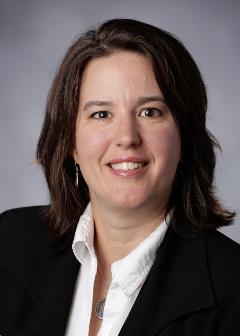
\n
\nRachael L. DiSantostefano \;has nearly 25 years
of pharmaceutical research experience across the quantitative disciplines
of epidemiology\, biostatistics\, and health outcomes. \;She is curre
ntly responsible for guiding clinical teams in structured benefit-risk ass
essment\, including the use of both qualitative and quantitative methods.
\; \;She received her PhD in Health Policy and her Master&rsquo\;
s degree in Biostatistics at the University of North Carolina Gillings Sch
ool of Global Public Health. \;Prior to joining Janssen in 2015\, she
was an epidemiologist at another pharmaceutical company for 10 years\, wh
ere she evaluated medication safety and contributed to benefit-risk assess
ment in regulatory submissions and at FDA Advisory Committee meetings.&nbs
p\; She is currently active as a task co-leader on the IMI PREFER project
and an active member of the Benefit-Risk Assessment Communication and Eval
uation Special Interest Group (BRACE-SIG) within the International Society
for Pharmacoepidemiology.
\nTo access the recording\, pleas
e visit the Video-on-Demand Library.
END:VEVENT
END:VCALENDAR